
Optimal Timing for Masonry Services
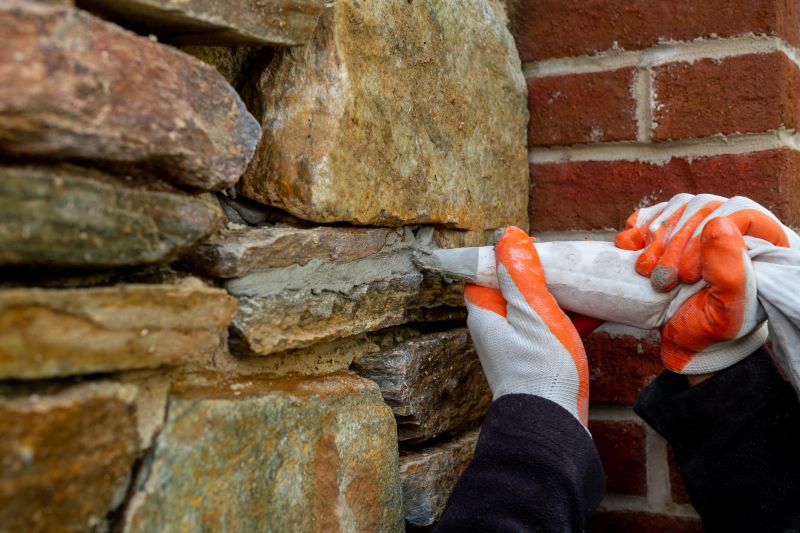
Spring offers moderate temperatures ideal for masonry work, reducing the risk of cracking due to extreme weather.
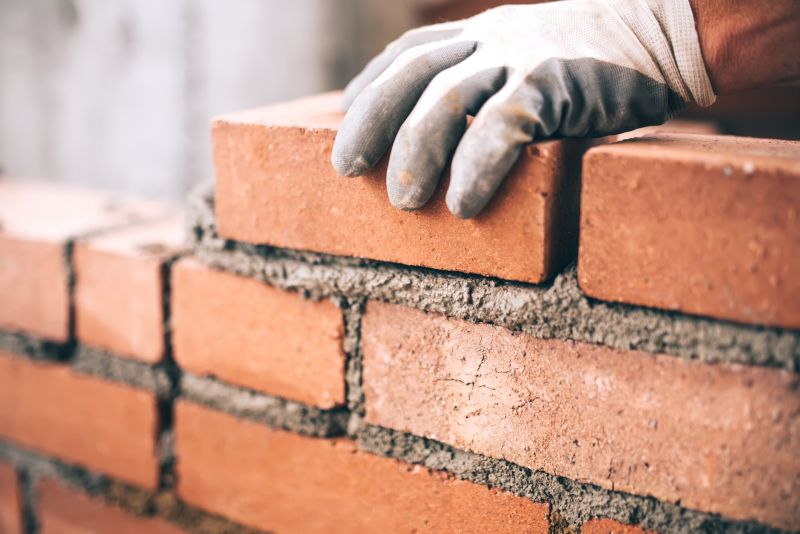
Summer provides warm weather and longer daylight hours, suitable for extensive masonry repairs and installations.
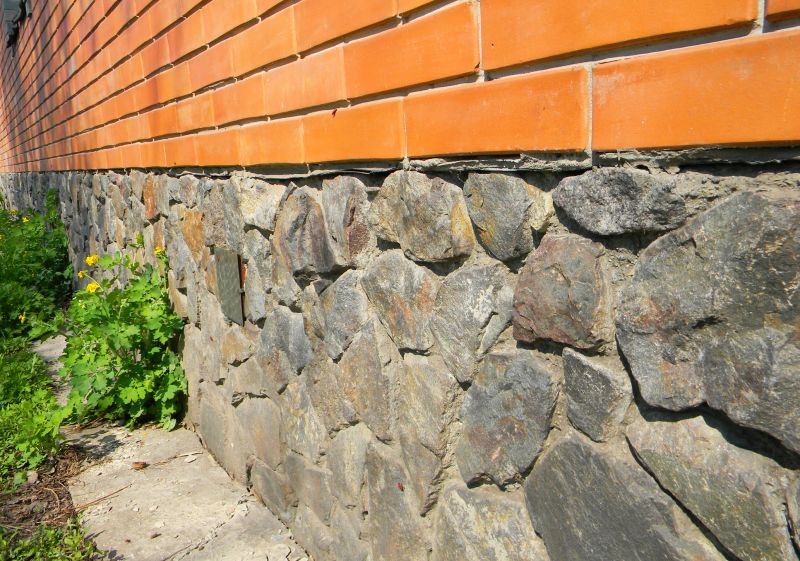
Fall is a good time to prepare masonry structures before winter, ensuring durability and stability.
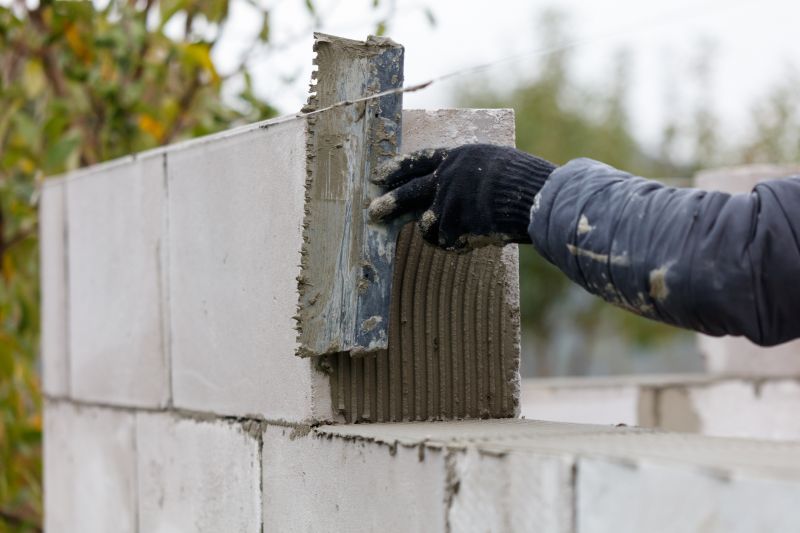
Winter is generally less suitable due to low temperatures and potential freeze-thaw cycles that can affect masonry work.
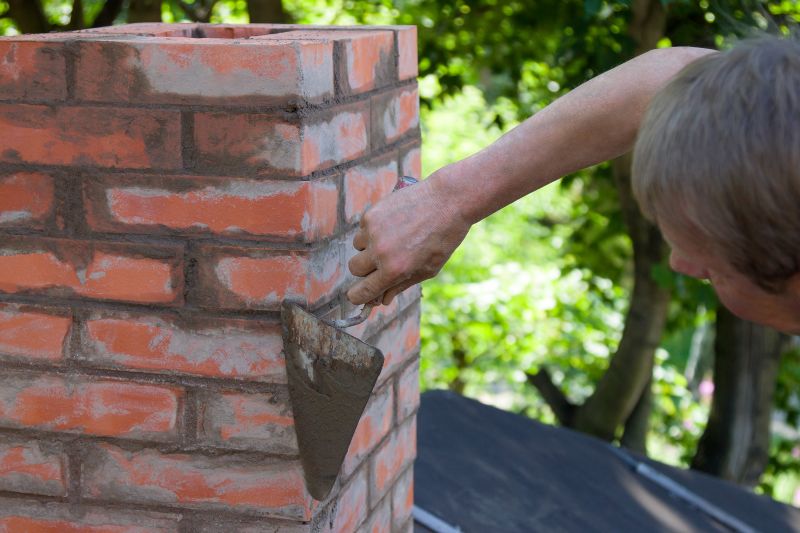
Spring and early fall are typically considered the best seasons for masonry services due to favorable weather conditions.
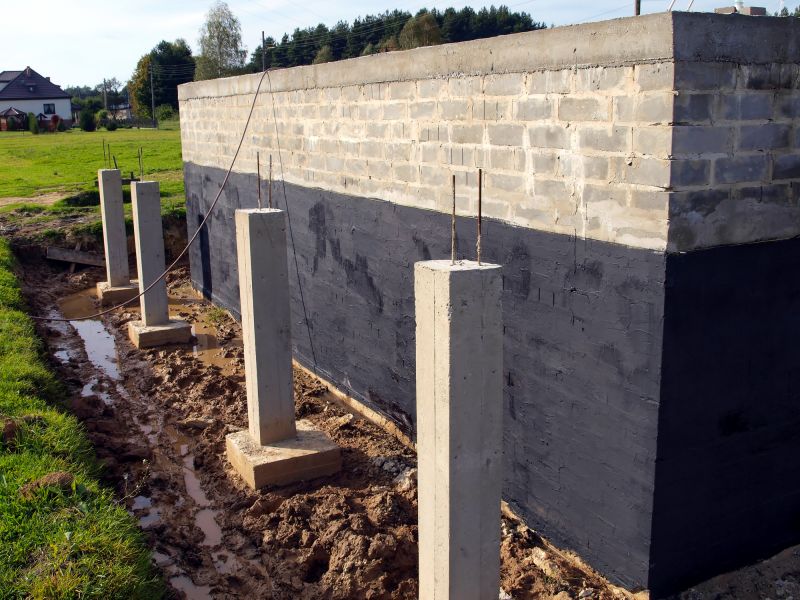
Weather fluctuations can impact the curing process and longevity of masonry, making seasonality an important factor.
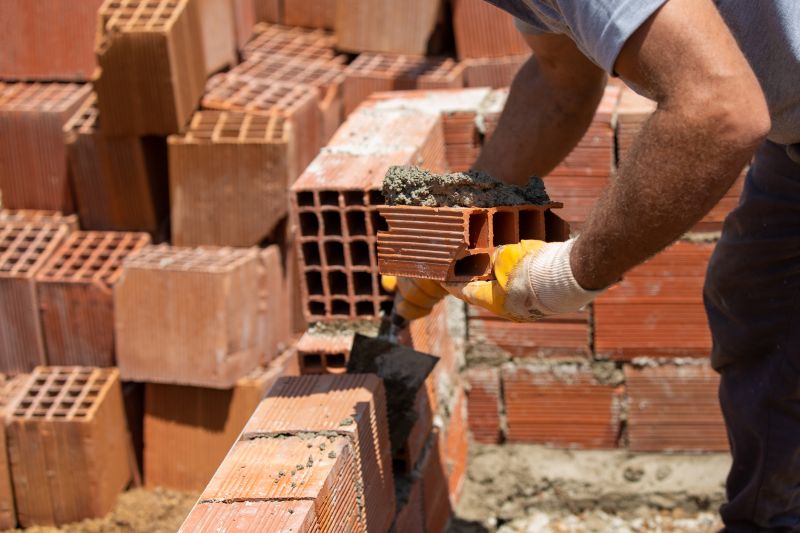
Ways to make Masonry Service work in tight or awkward layouts.
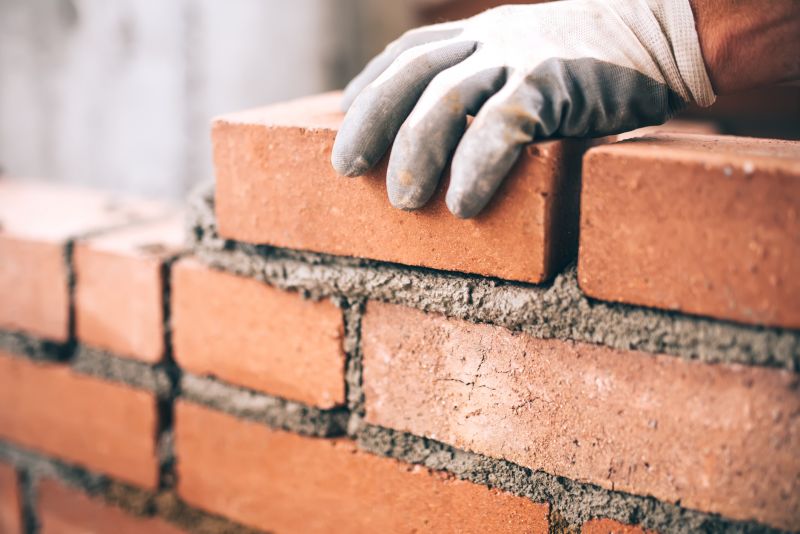
Popular materials for Masonry Service and why they hold up over time.

Simple add-ons that improve Masonry Service without blowing the budget.
Masonry service involves the construction, repair, and preservation of structures made from brick, stone, concrete blocks, and other materials. Proper timing ensures optimal results, with favorable weather conditions minimizing issues like cracking, shifting, or improper curing. Seasonality can influence the durability and aesthetic quality of masonry projects, making the selection of the right time essential for long-lasting results.
Statistics indicate that masonry work performed during moderate temperatures tends to have fewer defects and longer-lasting finishes. For example, projects completed in spring or early fall often experience fewer weather-related setbacks, leading to higher satisfaction and reduced rework. Understanding seasonal impacts helps in planning and executing masonry services effectively, ensuring structures withstand the test of time.
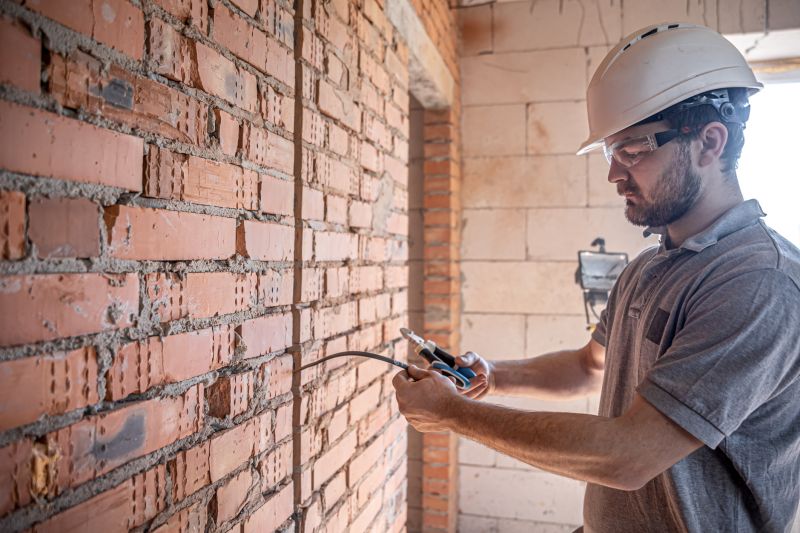
Spring's mild weather supports effective repairs and restoration work.
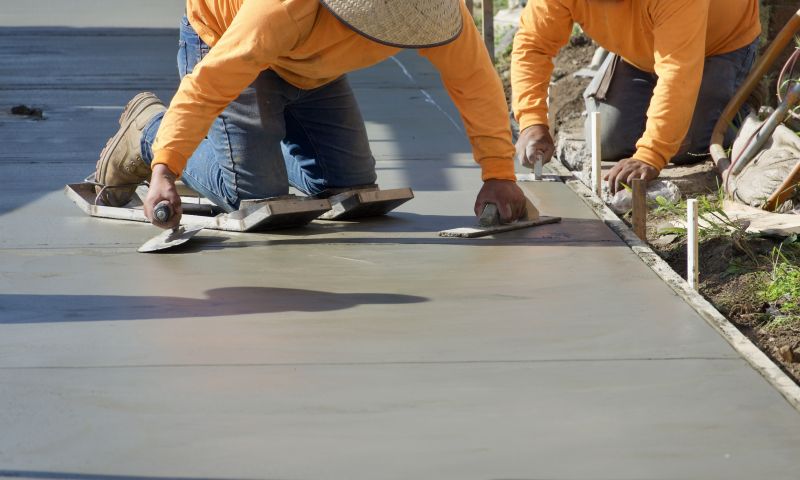
Summer's warm climate accelerates setting times for mortar and concrete.
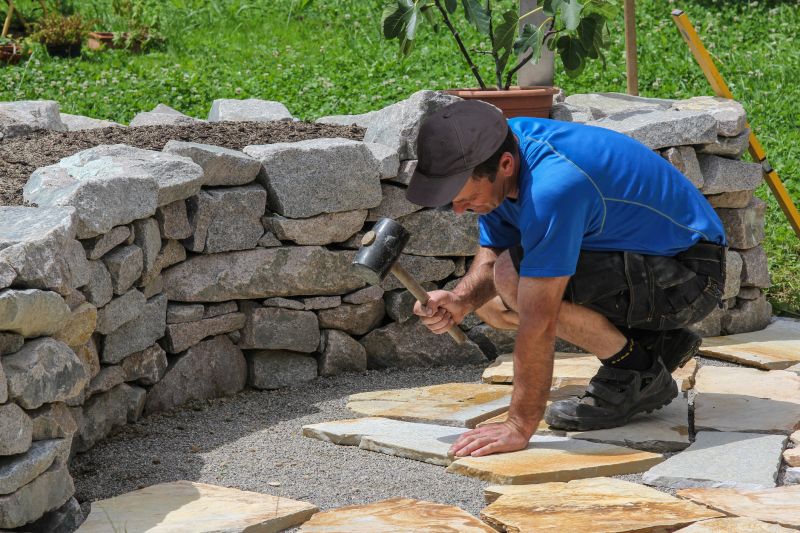
Fall allows for completion before winter, reducing freeze-thaw damage risk.
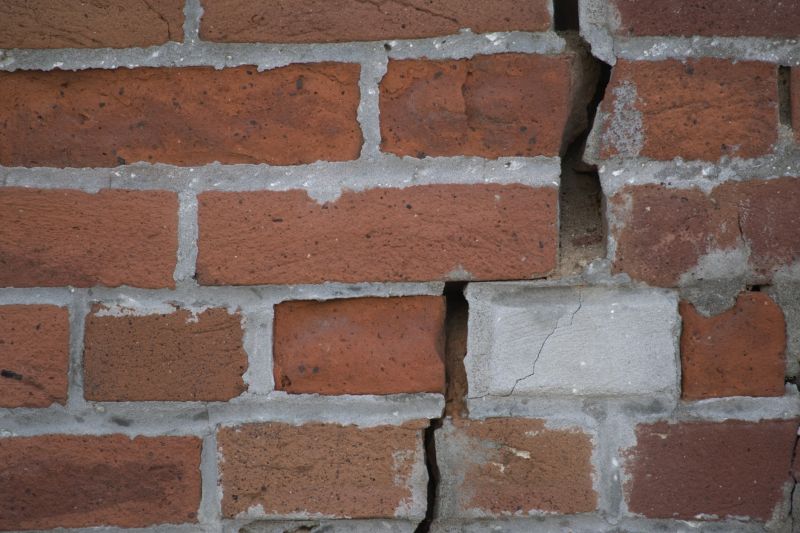
Low temperatures can hinder curing and increase cracking risks.
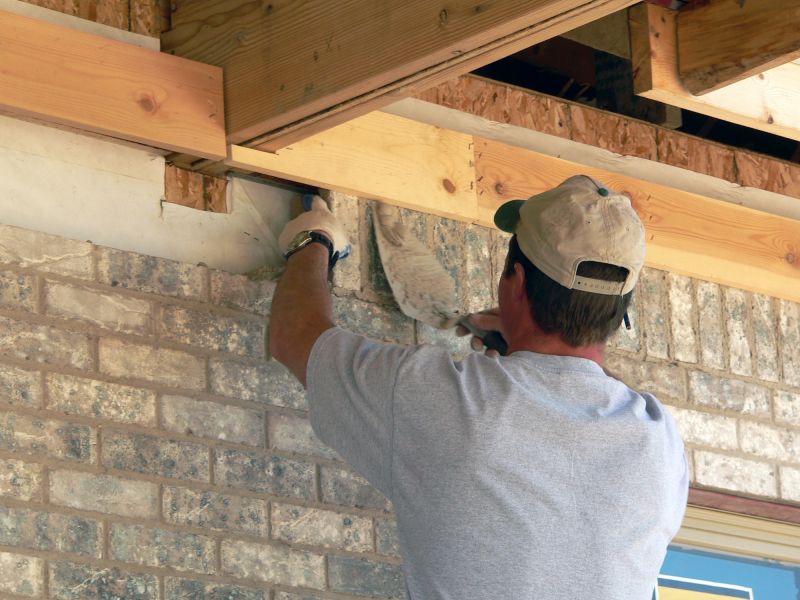
Fall is ideal for preparing masonry structures for winter conditions.
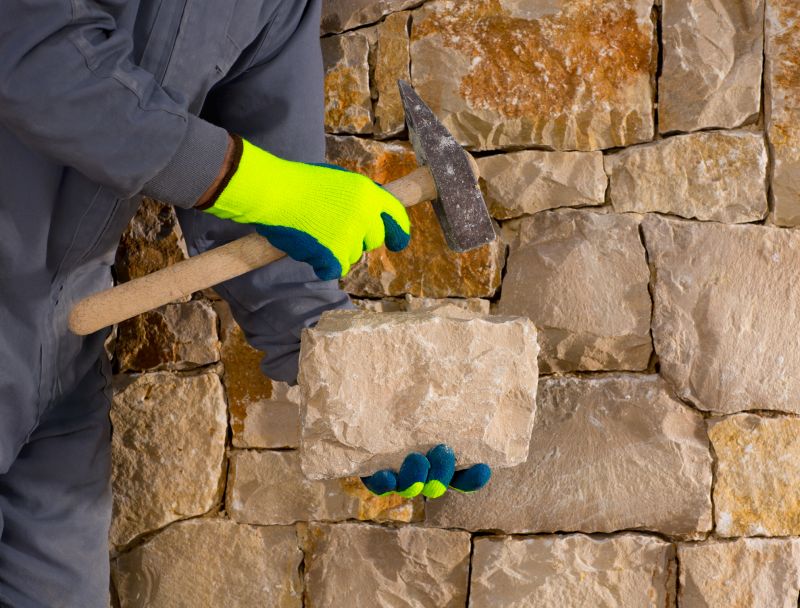
Monitoring weather patterns helps determine optimal masonry scheduling.
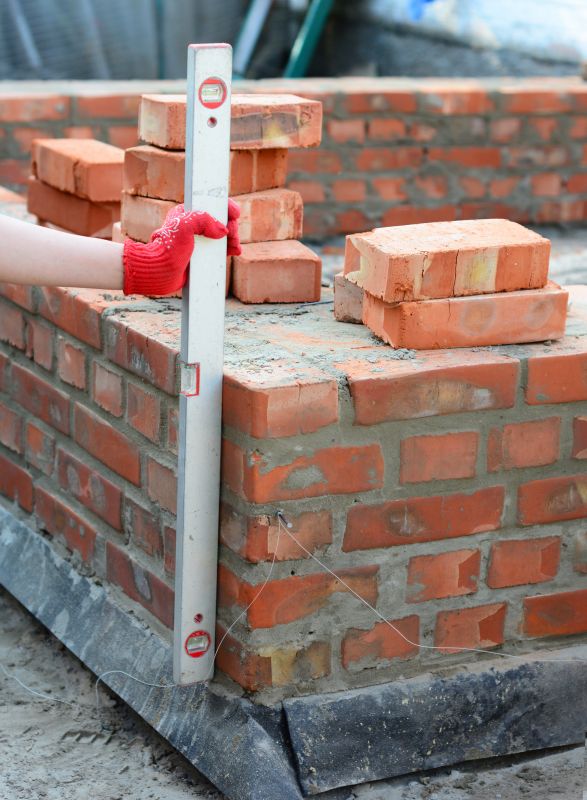
Timing masonry work appropriately enhances structural longevity.

Effective planning based on seasonal weather improves project outcomes.
| Season | Ideal for Masonry Service |
|---|---|
| Spring | Yes |
| Summer | Yes |
| Fall | Yes |
| Winter | No |
| Early Spring | Optimal |
| Early Fall | Optimal |
| Late Fall | Less Ideal |
| Late Winter | Not Recommended |
Choosing the right time for masonry service depends on weather conditions and project scope. Spring and early fall are generally preferred due to moderate temperatures and lower precipitation, which help ensure proper curing and adhesion. Planning masonry projects during these seasons can lead to better durability, appearance, and long-term performance.

Proper timing ensures quality craftsmanship and structural integrity.

Optimal seasonality contributes to lasting beauty and stability.
Scheduling based on weather improves project success.
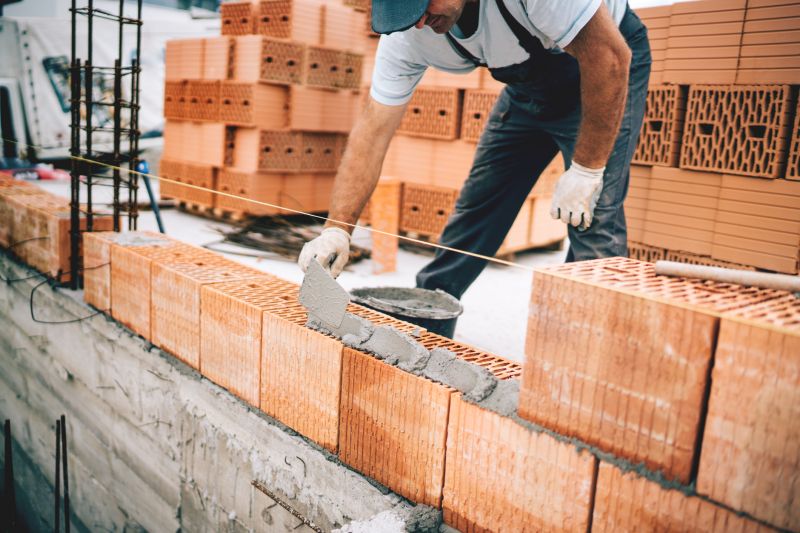
Weather considerations are key to successful masonry execution.

High-end options that actually feel worth it for Masonry Service.

Finishes and colors that play nicely with Masonry Service.

Little measurements that prevent headaches on Masonry Service day.

A 60-second routine that keeps Masonry Service looking new.
Interested in masonry services? Filling out the contact form can provide tailored scheduling options and ensure the best results for any masonry project in Marysville, Ohio.
A frequent mistake in Masonry Service and how to dodge it.
Small tweaks to make Masonry Service safer and easier to use.
Lower-waste or water-saving choices for Masonry Service.